
This title is currently out of stock. Leave us your email address, we’d let you know when it’s in stock again!
-

A note on book covers: while we do our best to ensure the accuracy of cover images, ISBNs may at times be reused for different editions of the same title which may hence appear as a different cover.

History Of Madness
History Of Madness
Couldn't load pickup availability
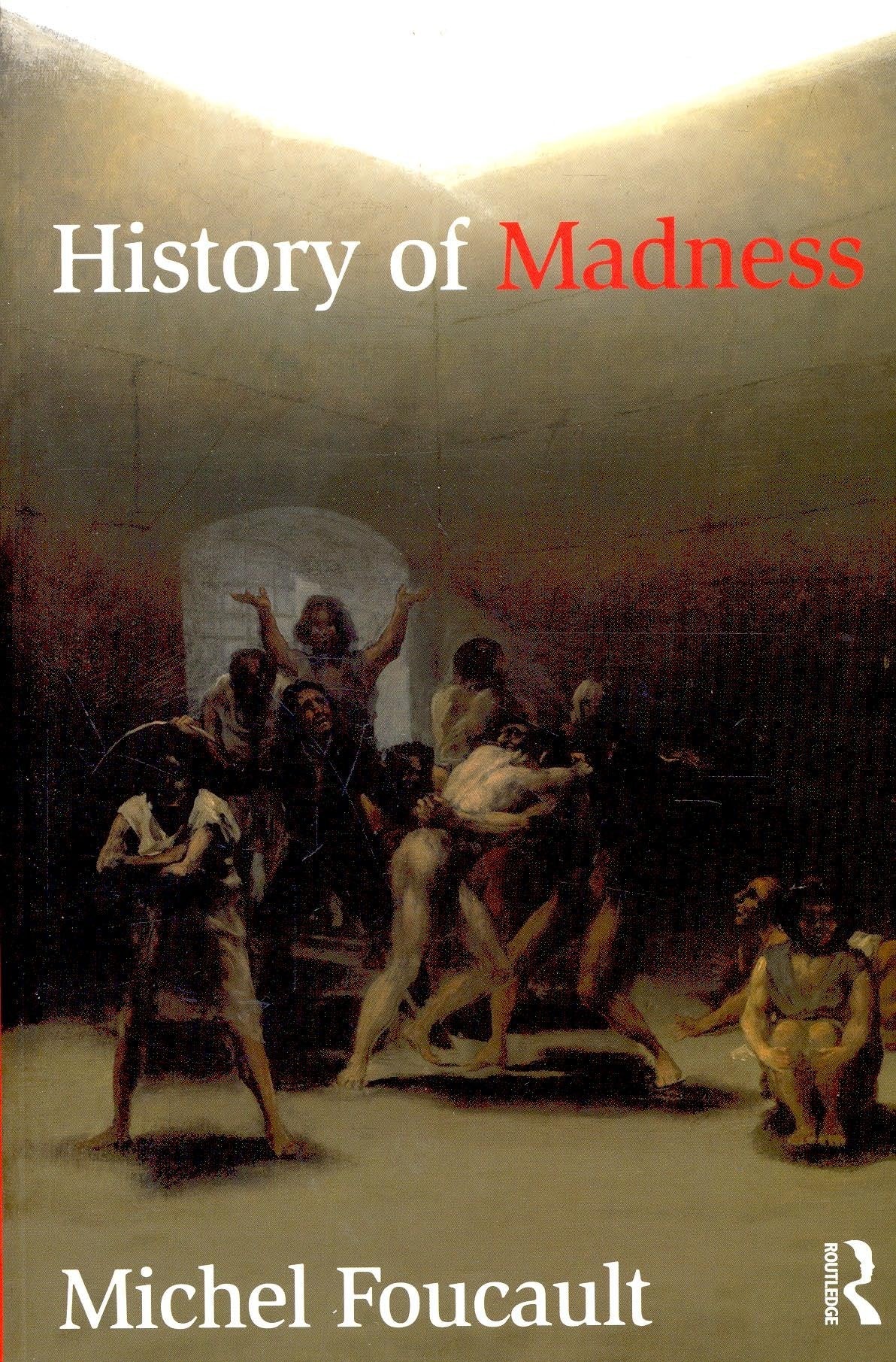
This translation is the first English edition of the complete French texts of the first and second edition, including all prefaces and appendices, some of them unavailable in the existing French edition.
History of Madness begins in the Middle Ages with vivid descriptions of the exclusion and confinement of lepers. Why, Foucault asks, when the leper houses were emptied at the end of the Middle Ages, were they turned into places of confinement for the mad? Why, within the space of several months in 1656, was one out of every hundred people in Paris confined?
Shifting brilliantly from Descartes and early Enlightenment thought to the founding of the Hôpital Général in Paris and the work of early psychiatrists Philippe Pinel and Samuel Tuke, Foucault focuses throughout, not only on scientific and medical analyses of madness, but also on the philosophical and cultural values attached to the mad. He also urges us to recognize the creative and liberating forces that madness represents, brilliantly drawing on examples from Goya, Nietzsche, Van Gogh and Artaud.
The History of Madness is an inspiring and classic work that challenges us to understand madness, reason and power and the forces that shape them.
Details of Book
Related Collections:
A note on book covers: while we do our best to ensure the accuracy of cover images, ISBNs may at times be reused for different editions of the same title which may hence appear as a different cover.
-
One Line Summary
Explores the cultural evolution of madness and social control.
-
Who is this book for?
If you're interested in understanding how society has historically viewed and treated madness, Foucault's insights are fascinating and thought-provoking. This book delves into the cultural, philosophical, and medical shifts that have defined perceptions of the mad, making it a compelling read for those curious about history, psychology, or social justice. Its detailed exploration of madness's role in shaping society might just change the way you see mental health today.